Futomaki (Maki Sushi / Ehomaki)
Learn how to make Futomaki or Maki Sushi, a traditional thick sushi roll filled with colorful ingredients. You can make this delicious and beloved sushi ahead of time and pack it for picnics, potlucks, and celebrations.
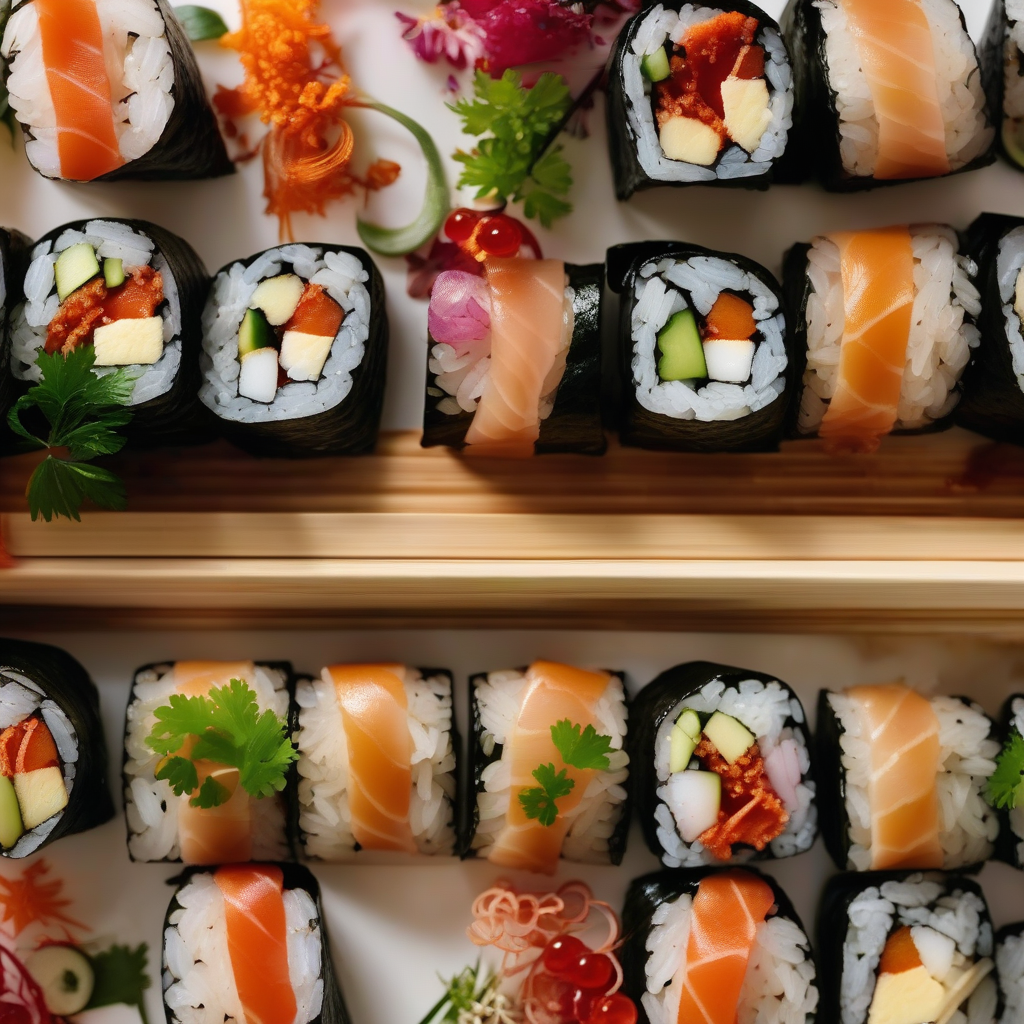 Foto: Just One Cookbook
Bahan-bahan
- 2¼ cups uncooked Japanese short-grain white rice
- 2¼ cups water ((540 ml))
- 1 piece kombu (dried kelp) ((5 g; 2 x 2 inches or 5 x 5 cm per piece; optional, for a nice aroma!))
- ⅓ cup rice vinegar (unseasoned)
- 3 Tbsp sugar ((skip if using bottled sushi vinegar))
- 1½ tsp Diamond Crystal kosher salt ((skip if using bottled sushi vinegar))
- seasoned shiitake and kanpyo ((see the instructions; you can make it up to 2 days in advance and refrigerate))
- 1 Tamagoyaki (Japanese Rolled Omelette)
- 1 handful of mitsuba (Japanese parsley) ((or spinach))
- 1 unagi (freshwater eel) fillet ((broiled))
- 1 Japanese or Persian cucumber
- 1 package sakura denbu (seasoned cod fish flakes) ((1.4 oz, 40 g))
- 8 dried shiitake mushrooms
- 1 cup water ((for soaking))
- 0.4 oz dried kanpyo (gourd strips)
- 1 tsp Diamond Crystal kosher salt ((for the kanpyo))
- 1 Tbsp sugar
- 1 Tbsp mirin
- 1 Tbsp soy sauce
- ¼ cup water ((for tezu finger dipping water))
- 2 tsp rice vinegar (unseasoned) ((for tezu))
- 4 sheets nori seaweed
- sushi ginger (gari)
Langkah-langkah
It takes about 90 minutes to make sushi rice. Please follow my Sushi Rice recipe for step-by-step instructions on how to cook the rice and add the sushi seasoning. For this recipe, use 2¼ cups uncooked Japanese short-grain white rice, 2¼ cups water, and 1 piece kombu (dried kelp) to cook the rice. For the sushi seasoning, use ⅓ cup rice vinegar (unseasoned), 3 Tbsp sugar, and 1½ tsp Diamond Crystal kosher salt. Cover the prepared sushi rice with a damp cloth at all times to prevent drying.
In a bowl or measuring cup, add 8 dried shiitake mushrooms and 1 cup water and let them soak for 15 minutes. Place a smaller bowl on top to keep the mushrooms submerged.
In a small saucepan, bring some water to a boil. Quickly rinse 0.4 oz dried kanpyo (gourd strips) in running water and drain. Rub the kanpyo with 1 tsp Diamond Crystal kosher salt. Rinse and drain well.
When the water is boiling, cook the kanpyo for 3 minutes. Transfer to iced water to stop the cooking process. Squeeze out the water.
When the shiitake are soft and tender, cut off and discard the stems. Strain the soaking liquid through a fine-mesh sieve to get rid of any debris.
Reserve this shiitake stock, adding water if needed until you have 1 cup (240 ml) of reserved shiitake stock.
In a medium saucepan, add the kanpyo, mushrooms, and reserved shiitake stock.
Add 1 Tbsp sugar, 1 Tbsp mirin, and 1 Tbsp soy sauce to the saucepan.
Bring it to boil. Then, lower the heat to medium and cook until most of the liquid is gone, about 20–30 minutes.
Cut the shiitake mushrooms into very thin slices and squeeze the water out.
Squeeze the water out from the kanpyo and cut it into 8-inch (20-cm) lengths, which is about the same width as the nori sheet.
Now, the seasoned shiitake and kanpyo are ready to use. You can make this ahead of time and store them in the refrigerator for a couple of days.
Make 1 Tamagoyaki (Japanese Rolled Omelette) using either my standard Tamagoyaki recipe or sweeter Atsuyaki Tamago recipe.
Cut the tamagoyaki into long strips. You can make it ahead and keep it in the refrigerator until ready to use.
Unagi is typically pre-cooked and broiled when you purchase it, so you just need to reheat it. Set your oven broiler to High (550ºF/290ºC) and preheat it for 3 minutes. Meanwhile, line a baking sheet with aluminum foil and spray it with oil. Place 1 unagi (freshwater eel) fillet on top. Broil on the oven‘s middle rack for 5–7 minutes (no need to flip). Cut it into 4 long strips. Set aside.
Tie the stems of 1 handful of mitsuba (Japanese parsley) or spinach together with cooking twine to keep them bundled while cooking. Bring a pot of water to a boil. Add 1 tsp salt and blanch the mitsuba or spinach just until tender. Do not overcook.
Soak the blanched mitsuba in iced water and squeeze the water out. Set aside.
Cut off the ends of 1 Japanese or Persian cucumber. Cut into quarters lengthwise and remove the seeds. Set aside.
Open 1 package sakura denbu (seasoned cod fish flakes) and put it in a small bowl. Set aside.
Gather all the ingredients. Prepare tezu (finger dipping water) by combining ¼ cup water and 2 tsp rice vinegar (unseasoned).
Place a bamboo sushi mat on the work surface. Gather 4 sheets nori seaweed. Place one sheet of nori on the bamboo mat, shiny side down. Divide the sushi rice into 4 portions. Dip your fingers in the tezu. Then, put one portion of the sushi rice on the nori and use your wet fingers to spread it evenly (so your sushi looks centered when cut).
Leave a ½-inch (1.5-cm) strip along the top of the nori farthest away from you. This empty strip makes the Futomaki look attractive because it keeps the rice from showing at the seam when rolled.
Place a cucumber strip on the sushi rice along the width and toward the bottom of the nori (closest to you). You will roll the ingredients at the bottom OVER the rest of the filling. Therefore, I recommend putting easy-to-hold ingredients, like cucumber, toward the bottom. Place the Sakura Denbu and Shiitake toward the top so these smaller pieces won’t fall out as you roll.
Using your fingers to hold the ingredients in place, start rolling the bottom end of the nori sheet over the filling. Use the bamboo mat to roll tightly and firmly until the bottom edge of the sushi rice meets the rice on the other side of the ingredients.
With one hand, firmly hold the mat with the rolled portion in place. With your other hand, grab the top end of the mat. Then, pull the two against and away from each other to tighten the roll. Next, lift the bottom end of the bamboo mat from the roll and finish rolling the rest of the way. Finally, remove the bamboo mat, place it over the roll, and squeeze firmly. Set your completed sushi roll on a tray or large plate. Continue to make the rest of the rolls.
Using a very sharp knife, first cut the Futomaki crosswise in half. Then, wipe the knife with a wet kitchen cloth so that you can make clean cuts. Wipe your knife after every slice or every other slice.
Then, cut each half into 3 pieces. Serve with sushi ginger (gari) on the side. Enjoy!
It‘s best to enjoy sushi rolls on the same day you make them. Rice gets hard and dry in the refrigerator. Therefore, if you really want to keep sushi rolls in the refrigerator, my recommendation is to cover them with plastic and then with a thick kitchen towel, so the rice will stay cool and safe, but not get cold.
Memuat komentar...