Mitarashi Dango
Mitarashi Dango are traditional Japanese rice dumplings smothered in an irresistible sweet soy glaze. The dumplings are skewered on a bamboo stick and enjoyed all-year round. Make this tasty street snack right in your own kitchen!
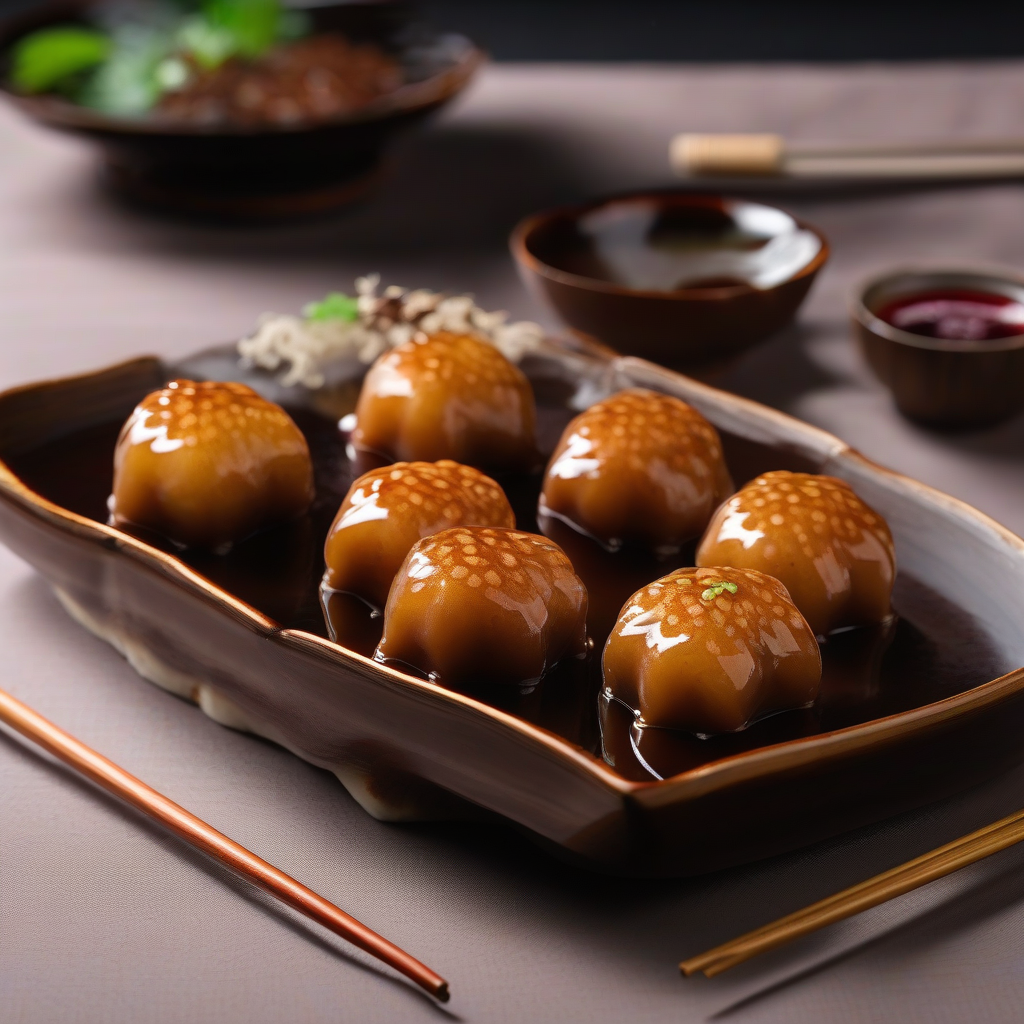 Foto: Just One Cookbook
Bahan-bahan
- ⅔ cup joshinko (Japanese rice flour)
- ¾ cup shiratamako (glutinous rice flour/sweet rice flour)
- ⅔ cup boiling water ((joshinko requires hot water))
- 1⅓ cup dangoko (Japanese rice dumpling flour)
- ⅔ cup water
- 4 Tbsp sugar
- 2 Tbsp mirin
- 2 Tbsp soy sauce
- ⅔ cup water
- 2 Tbsp potato starch or cornstarch
Langkah-langkah
Gather the ingredients for the dumplings. Joshinko (上新粉) is flour made with Japanese short-grain rice and shiratamako (白玉粉) is flour made with short-grain glutinous rice; they are different from other Asian varieties. For more details, see Notes at the end of the recipe card. Joshinko and shiratamako are pictured on the left and dangoko (団子粉) is pictured on the right. Whichever you decide to use, the instructions below are the same.
Gather the ingredients for the sweet soy glaze. Soak the bamboo skewers in water. You can start boiling a large pot of water on low heat (see Step 8).
Combine ⅔ cup joshinko (Japanese rice flour) and ¾ cup shiratamako (glutinous rice flour/sweet rice flour) in a bowl. Using chopsticks, mix it all together until well blended. (If you‘re making the dumplings using dangoko, add 1⅓ cup dangoko (Japanese rice dumpling flour) instead to a bowl.)
Stir in some of the ⅔ cup boiling water, a little bit at a time, while mixing with chopsticks. Please note: You can always add more water so go with a small addition. The dough should be on the dry side.(Or, stir in some of the ⅔ cup water (cold) for the dangoko, a little bit at a time.)
When the flours start to stick together and eventually form clumps, stop adding water. Using your hands, combine the dough into one ball.
Knead until the dough becomes smooth. The texture is like squeezing an “earlobe“ (that’s how we describe the tenderness of this type of mochi in Japanese).
Form the dough into a ball. Divide the dough into 8 equal pieces.
Then divide each piece into 2 smaller pieces. You will have 16 equal-sized pieces of dough. I always like to weigh mine. Each ball should be 20 grams. You may have some extra dough, but that’s okay.
Shape each of the dough pieces into a smooth, round ball. If the dough is cracking or has some wrinkles, dip the tip of your finger in water and apply a small amount of water to the cracked area to smooth it out. You now have 16 equal-sized dumplings.
Just before cooking the dumplings, prepare a bowl of iced water. Once the water in the pot is boiling, gently drop each dumpling into the pot with a smooth, continuous arm motion to avoid splashing. Cook them all at once. Stir the balls occasionally so they keep their round shape and don‘t stick to the bottom of the pot.
The dumplings will stay near the bottom of the pot at first, but they will float once cooked. When they rise to the top, boil them for an additional 1–2 minutes.
Transfer the dumplings to the bowl of iced water.
Once the dumplings have cooled, drain them well and transfer them to a tray. Tip: Wet the tray so the dumplings don‘t stick.
Skewer three pieces onto a bamboo skewer. Continue with the rest of the dumplings and set aside.
In a cold saucepan, add 4 Tbsp sugar, 2 Tbsp mirin, 2 Tbsp soy sauce, ⅔ cup water, and 2 Tbsp potato starch or cornstarch. Do not turn on the heat yet.
Mix all the ingredients together well until smooth. The potato starch/cornstarch will become lumpy if you heat the sauce without stirring beforehand. Now, turn on the heat and continue to whisk.
Keep whisking continuously, as the mixture can thicken suddenly.
When the sauce thickens, remove the saucepan from the heat and transfer the sauce to a container or bowl. If you are making it ahead of time, remove the sauce from the heat before the consistency gets too thick. The moisture will continue to evaporate as it cools and thicken the sauce.
Optional: Sear and enhance the flavor with a kitchen butane torch. You can also grill them over direct heat (if you are going to place them on a wire rack, grease it first, as the dumplings tend to stick). You can use a broiler to char the dumplings or use a nonstick frying pan to pan-fry the surface of the dango.
Pour the sweet soy glaze on top of the Mitarashi Dango and serve immediately.
Option 1: After you form the dough into round dumplings, you can store the uncooked dumplings in a single layer in an airtight container and freeze up to a month. When ready to use, boil the frozen dango without defrosting first.
Option 2: After boiling and cooling the dumplings, pat them dry and pack them so they don‘t touch each other into an airtight container. Freeze up to a month. When ready to use, microwave or boil them until warm.
Memuat komentar...